


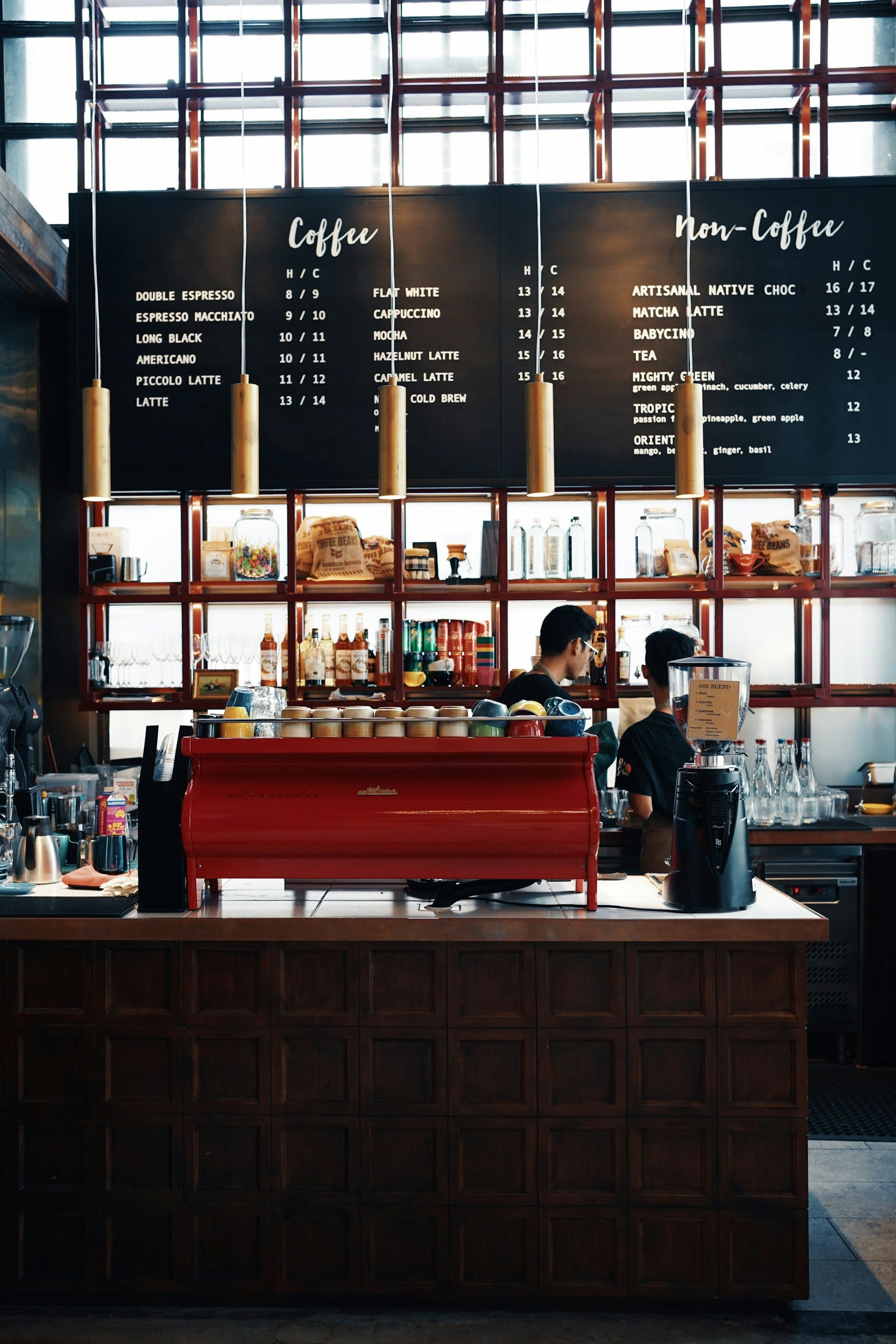
In many newly built urban neighbourhoods in the Netherlands, 40% of the houses are social rented. The aim is clear: to keep cities liveable and accessible for people on lower incomes. Yet the shops, cafés and restaurants in these same neighbourhoods are completely left to the whims of the free market. The result? Life in these areas becomes unaffordable for exactly those residents social housing is meant to support. Shouldn’t we also be thinking about social retail — local amenities that help make daily life affordable?
The case for social retail
For decades, housing associations have played a vital role in ensuring that low-income urban residents have a place to live. Increasingly, they’re also a key mechanism for keeping those people in the city. While debates around gentrification often focus on rising housing costs, the soaring cost of living is discussed far less — even though it’s spiralling out of control. The social housing model provides a clear blueprint for adapting this logic to the retail landscape.
New inner-city neighbourhoods could benefit from a structure that ensures not only affordable housing but also affordable living. It’s time to start building social retail.
