


First things first
🍸 At first glance, this strange cocktail bar looks like something you’d stumble upon in the heart of Manhattan, yet it stands in the middle of a forest in Thailand. The so-called K-BAR opened its doors two weeks ago and has been described as a site-specific installation that “explores displacement, introducing an urban typology within a remote natural setting.”
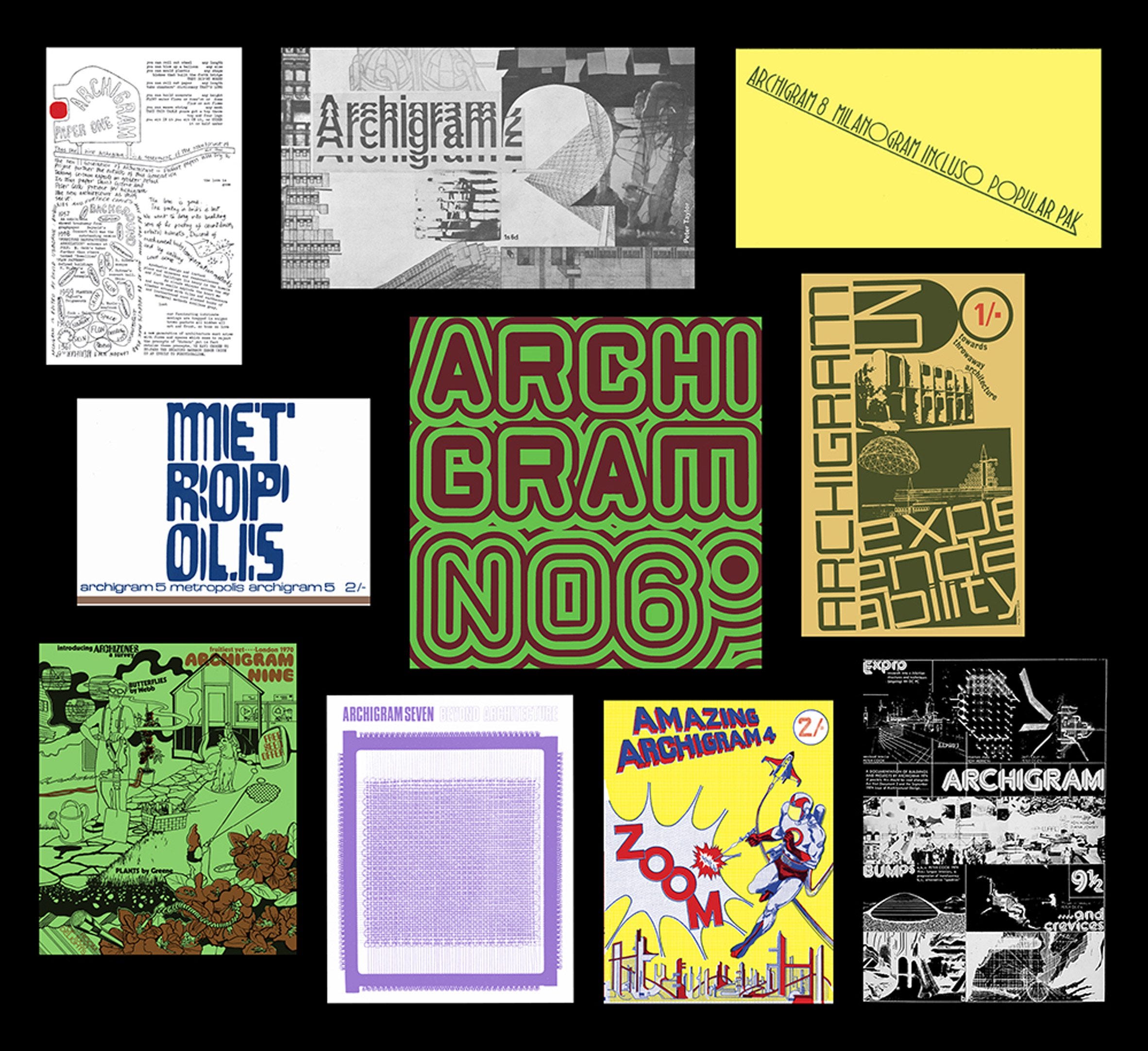
🏙 Two New York City-based publishers announced they will be releasing remakes of all 10 original Archigram magazines. This avant-garde British architecture collective published a series of magazines in the 1960s and 1970s, presenting radical visions of the city’s future. Think Walking City, a metropolis on mechanical legs that could roam from place to place, or Plug-In City, a dynamic urban landscape with modular living units. Their ever-relevant ideas on modular, flexible cities remain one of our biggest inspirations.
🪜 Guerrilla tiling in Paris. French street artist Blackdoors transforms neglected urban elements — such as boarded-up windows — into colourful surprises with his striking tile patterns. His work is an attempt to revive the art of mosaic in a contemporary way, blending tradition with the avant-garde while creating a dialogue with the city’s architecture.
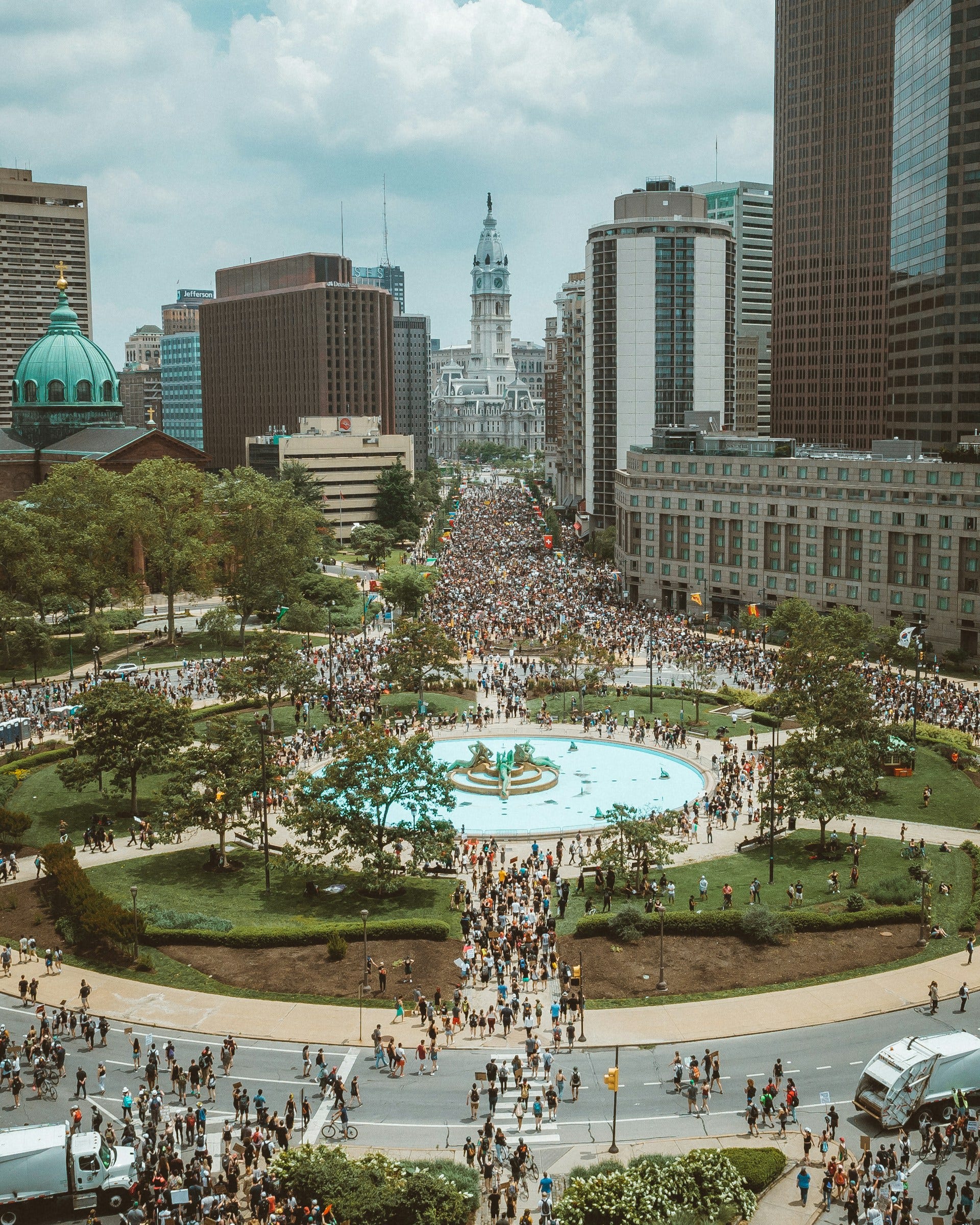
🇺🇸 Since Trump took office, the concept of sanctuary cities has been revitalised. These are cities that refuse to comply with the US president’s anti-immigration policies. Today, 220 cities and states hold sanctuary city status — a strikingly high number on the East Coast, yet surprisingly few on the traditionally progressive West Coast. Check out the map here.
New project: virtual museum Dijkreis brings a centuries-old sea dike to life ✨
To celebrate Amsterdam’s 750th anniversary, we developed Dijkreis, a GPS-powered podwalk app that reveals the hidden history of the Waterlandse Zeedijk. Through 40+ location-based audio stories, players uncover tales of whalers, shipbuilders, and even a wandering rhinoceros — right where history happened.
Unlike traditional apps, Dijkreis runs directly in smartphone browsers — no downloads needed. This fully in-house designed and developed web app turns the 11-kilometre dike into a living museum, making history immersive and accessible to all ages.
To engage the local community, we launched a poster campaign encouraging residents to display Dijkreis in their windows, transforming the dike into a participatory, virtual exhibition. Click here to learn more about the project.