


Beware of the mothballs
Forget the sterile dreams of the smart city, or the cookie-cutter flagship stores of fast-fashion giants. The real revolution on our high streets smells faintly of mothballs and looks like a 1990s ski jacket. We are witnessing the rise of vintagefication, a trend where vintage has stepped out of the shadows of dusty peripheral thrift shops to colonise prime retail real estate.
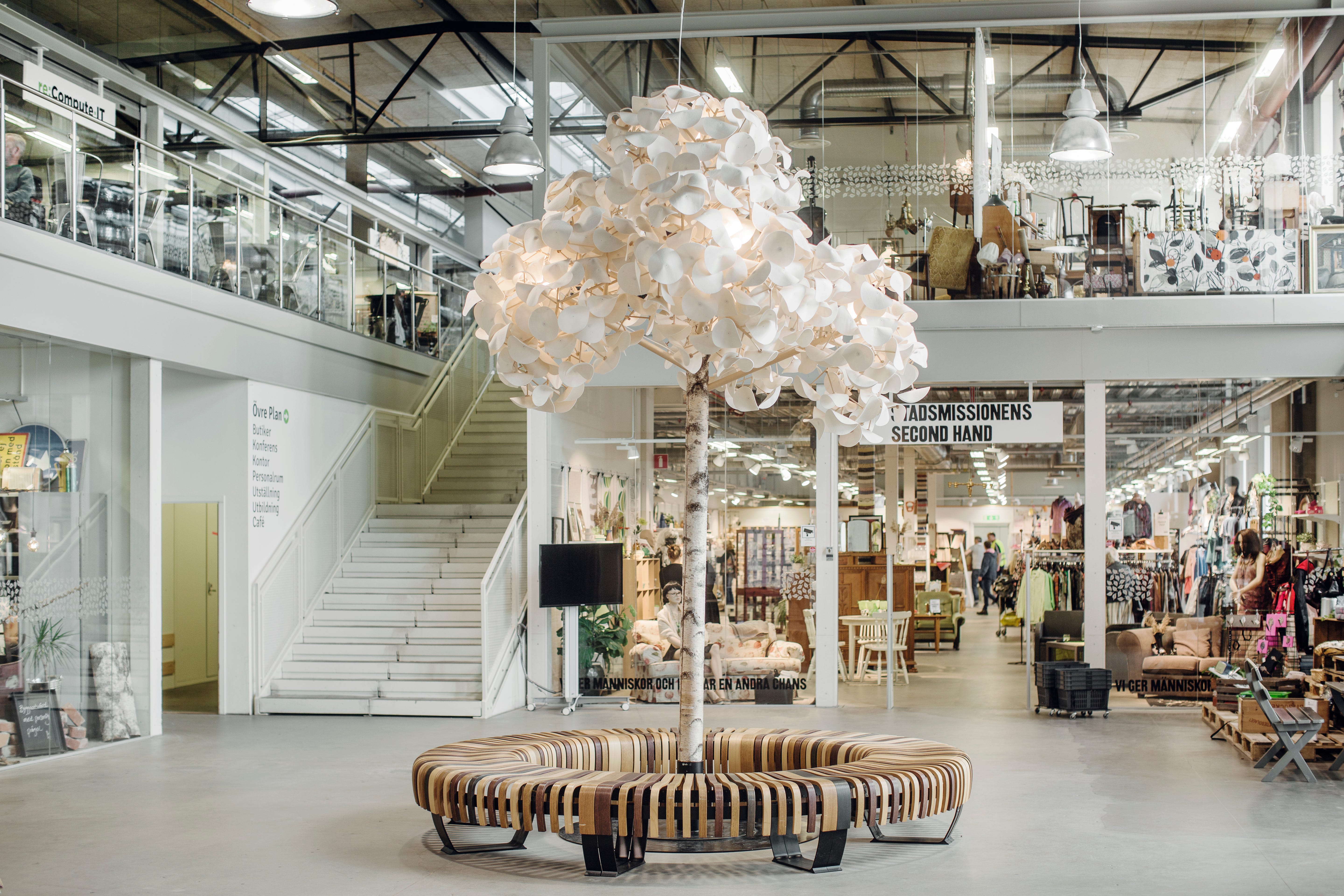
Not so long ago, second-hand shops were the exclusive domain of the budget-conscious or the eccentric collector. They were charmingly messy places tucked away in the city’s fringes. That image has been flipped on its head.
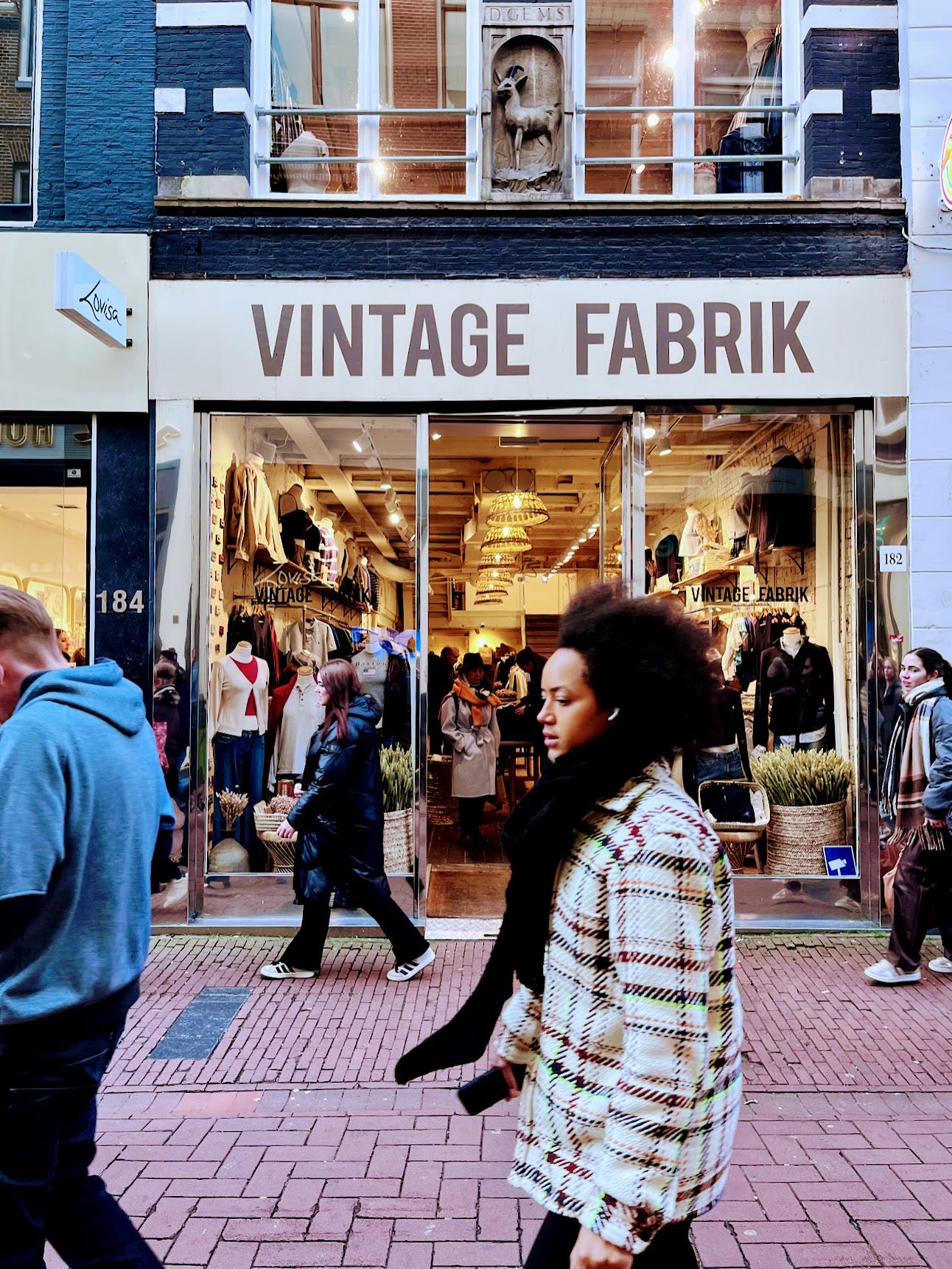
Last year, we noticed the first signs of vintagefication on Amsterdam’s Kalverstraat, the city’s most commercial shopping street and long-time capital of retail blandness. Suddenly, three vintage stores were sitting side-by-side, holding their own against the polished windows of the fast-fashion giants. In an era in which everything becomes the same everywhere, these businesses bring back a bit of soul and specificity that makes a district worth visiting.
The resale explosion in numbers
Resale is outpacing fashion. The second-hand market is growing 2.7× faster than the regular apparel market, according to ThredUp’s Resale Report 2025.
Second-hand is mainstream. By 2024, 58% of all consumers were shopping second-hand. Among younger generations, that figure was as high as 68%. Today’s consumers no longer see “new” as the standard, but as a lack of creativity.
