


Doing business on 4 m²
Some time ago, I took this photo of a pillar in a Singapore metro station. Here, James Ho runs a successful locksmith business from a space that barely spans 4 m² — the size of a double bed.
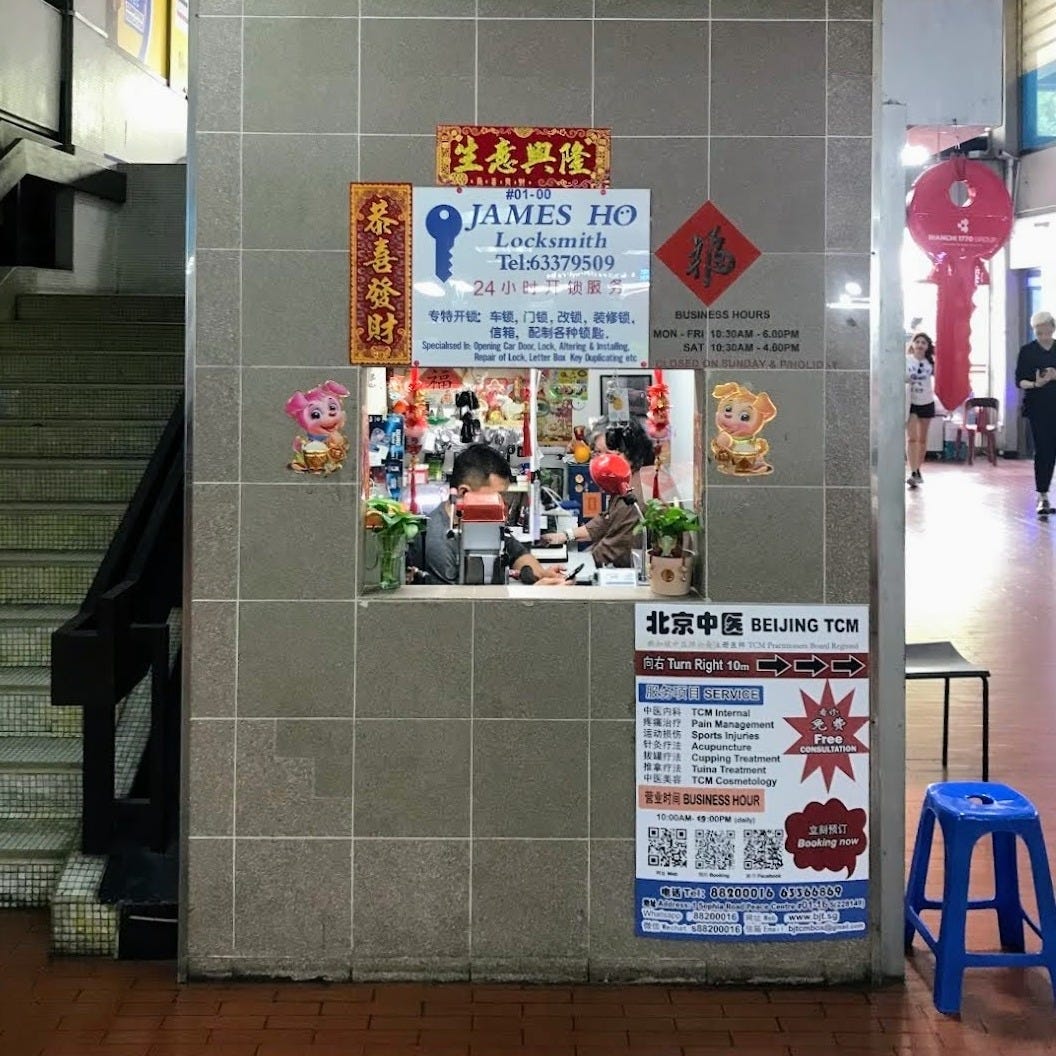
His micro-shop is a striking example of how enterprising individuals are making the most of overlooked spaces in the urban landscape. In global cities where space is increasingly scarce and expensive, these mini-businesses prove that creativity doesn’t need room to thrive. Could micro-spaces spark a revolution in urban resilience?
Tokyo: the world’s micro-space capital
If you really want to experience the urban micro-economy, you should visit Tokyo. The Japanese capital’s neighbourhoods are home to yokocho — narrow alleyways bustling with tiny shops and eateries, some occupying just a few square metres. These vibrant spaces are where the city truly comes alive.
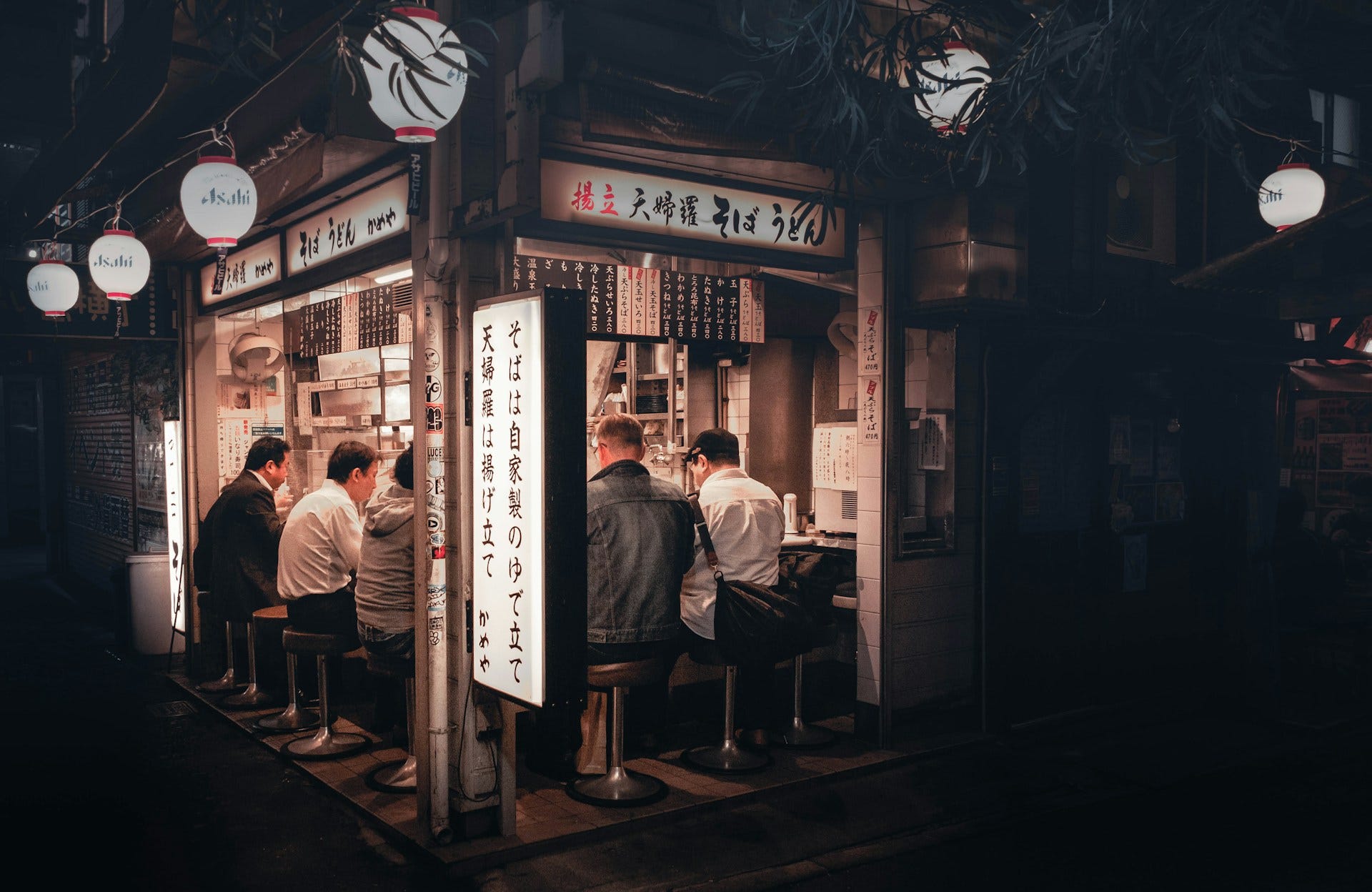
Why do micro-spaces thrive here? Tokyo’s urban planning offers remarkable freedom for businesses to emerge in unconventional locations. The city, densely built to the extreme, is filled with small nooks and crannies perfect for experimentation, without the burden of sky-high rents.
Even in residential areas, homeowners can legally open a bar, shop, or workshop on the ground floor of their properties. These micro-spaces provide low-risk entry points for aspiring entrepreneurs. They drive urban innovation, adaptability, and creativity.
It begs the question: why haven’t more cities embraced the potential of micro-spaces?
