Hi there. New Balance recently opened a pop-up restaurant in Copenhagen. Complete with custom ‘running tables’ and foodie events for runners, the restaurant was all about connecting with the local running scene in a fresh way.
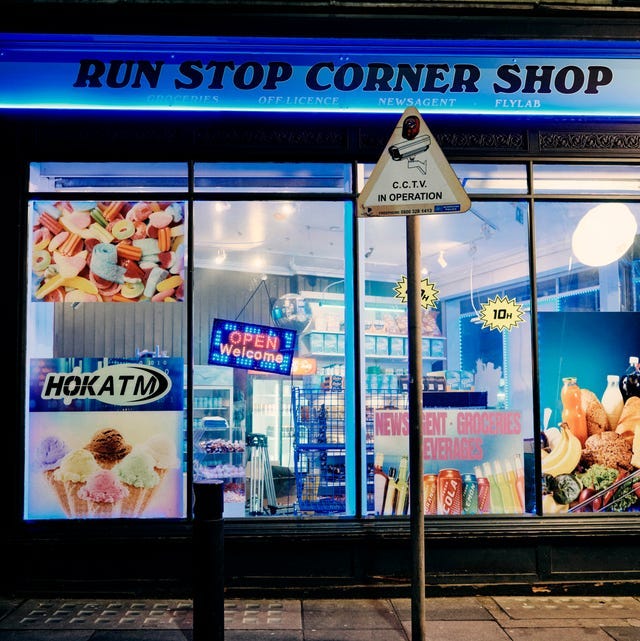
Competitor Hoka took things a step further in London by opening its very own corner store on Bethnal Green Road. The little spot was decked out in bright neon lights and looked just like a classic East London mini-mart, complete with an ATM out front. But step inside, and you’d find pure running heaven packed with all the latest gear.
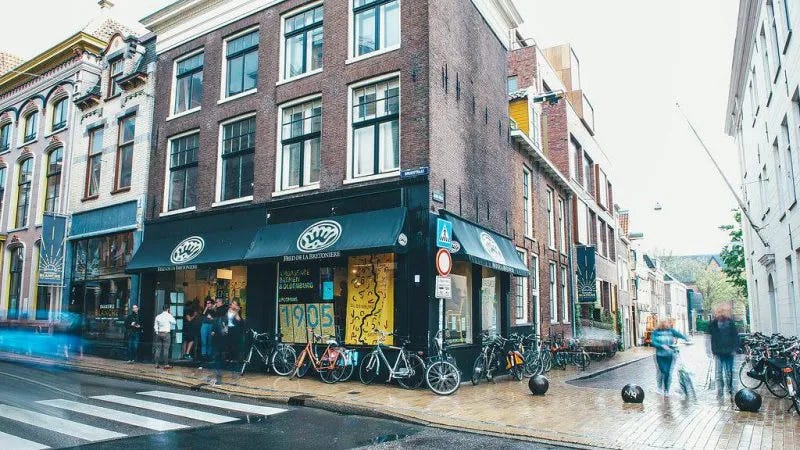
Back between 2005 and 2010, they were everywhere. Since Comme des Garçons paved the way with its iconic guerrilla stores, almost every major brand joined the pop-up-store party. But as usually happens when everyone jumps on a trend, the magic wore off. Pop-ups got predictable, criticised, and lost their guerrilla vibe.
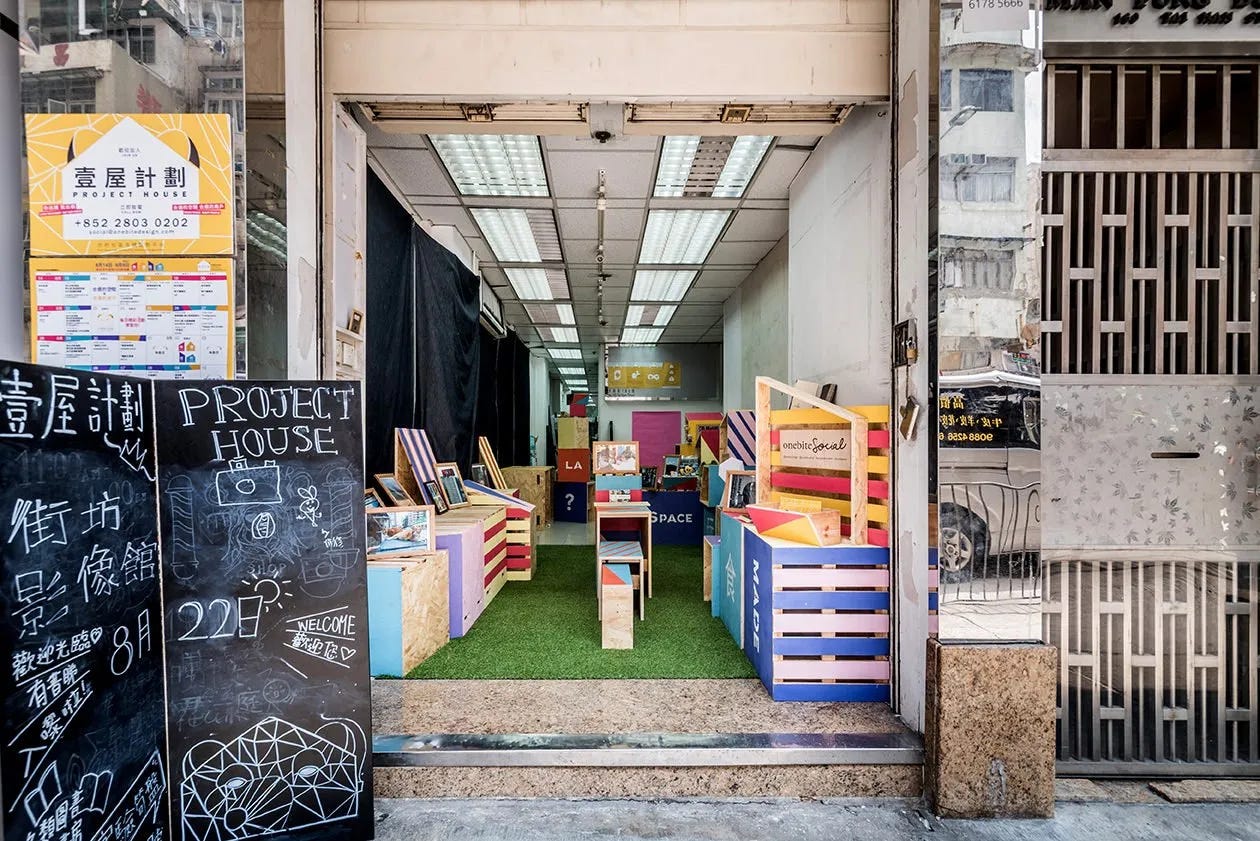
Now, pop-ups are making a comeback.
The digital attention economy has become too noisy and polluted, making it super hard for brands to stand out, let alone build trust. People are getting tired of looking at screens and second-guessing everything they see. Going back into the real physical world gives brands an edge to connect on a human level again and build a sense of realness.
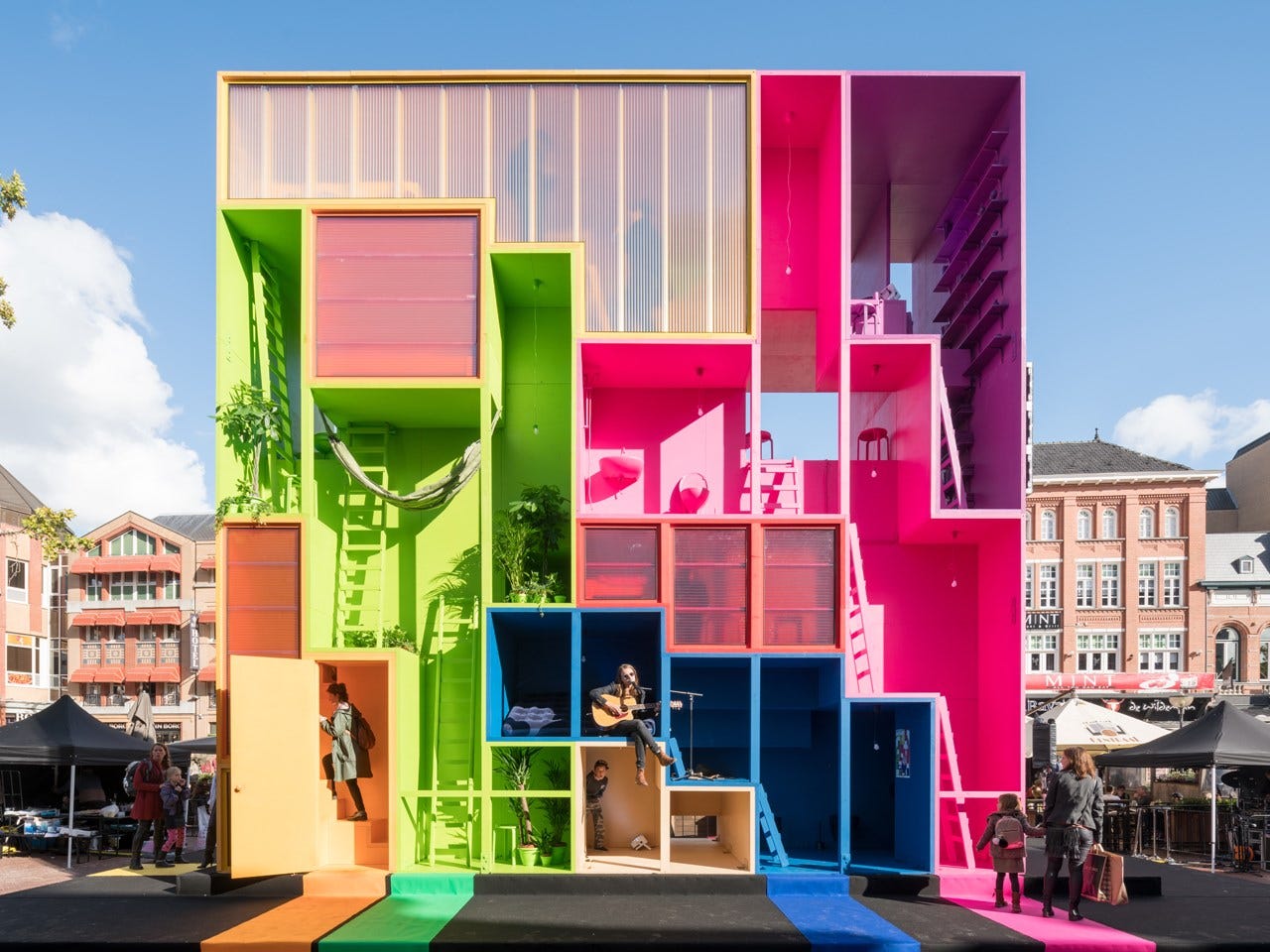
That said, today’s pop-ups aren’t just a rerun of the early 2000s. Simply opening a space in a vacant spot isn’t enough any more. The new generation of pop-ups need a spark, a bold design, an unexpected collaboration, or a genuine connection to a local community. Either way, it would be great news for high streets everywhere. A little extra energy and surprise on the sidewalk is always welcome.
Elsewhere
Joop recently hosted an episode of the podcast Algoritme van de Stad on temporary urban development. Do successful initiatives deserve a permanent spot, or is the power of the temporary precisely that it’s temporary? He discussed it with Jesse Jorg (RAUM, STIPO, We the City), Sabrina Lindemann (I’M BINCK, Op Trek) and Karin Christof. (Sorry to our international readers: this podcast is in Dutch.)
Jeroen spent a weekend in Eindhoven and felt an energy that Amsterdam seems to have lost a long time ago. ASML, Europe’s most valuable tech company, has a clear impact on the city, which transformed from a collection of farming villages via Philips city into a cosmopolitan maker and design hub. While Amsterdam seems to get lost in zero-sum debates about who the city belongs to, Eindhoven has a just-do-it mentality. Less talking, more making.
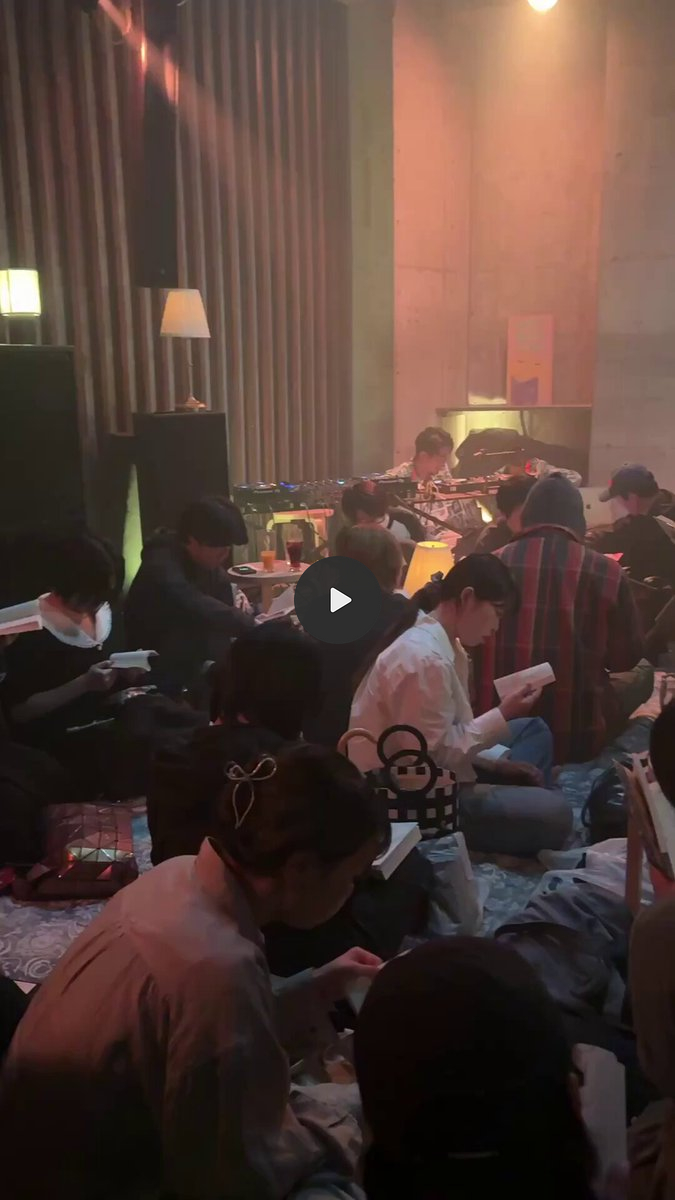
Tokyo proves that club culture doesn’t always have to be about dancing, drinking and raving all night. This basement bar in Shimokitazawa hosts book raves: visitors read in silence, swap books and share stories, with ambient music playing in the background. Rugs turn the club into a kind of shared living room during the day. A striking alternative to the classic club night, and perhaps a sign that young people are looking for new places to be together without alcohol at the centre.