


Pioneering in the interspace
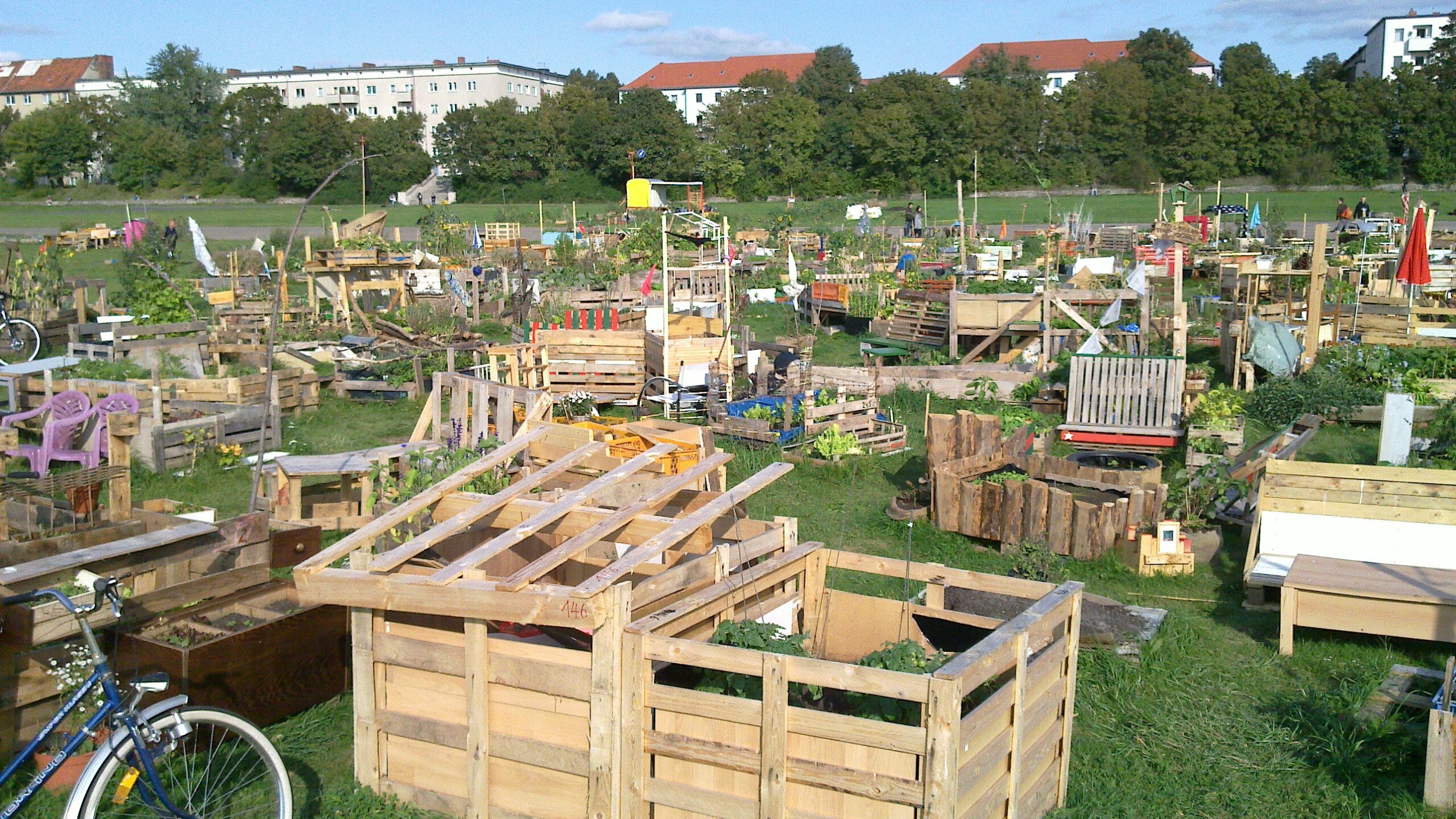
On a sunny morning in April 2008, we found ourselves in the Berlin office of landscape architect Klaus Overmeyer. We had just launched a blog called Pop-Up City and were visiting the German capital, one of the few places where the temporary and flexible dimension of urban planning was already tangible. At the time, exactly two books existed on the subject, one of which was Overmeyer’s Urban Pioneers.

In his book, Overmeyer highlighted dozens of Berlin initiatives in “spaces currently unsuitable or undesirable in mainstream economic cycles.” Berlin, as a broke, half-bankrupt city, had an abundance of such spaces back then. Pop-up was an almost subversive domain of squatters and neighbourhood initiatives, flying far below the radar of government authorities and commercial developers. Overmeyer saw its potential and argued for the formal integration of temporary use into urban policy.


Long live transition hysteria
Nearly two decades later, his wish has been granted, but in a way few could have foreseen. Temporality and flexibility have become crucial, simply because the future can no longer be cast in concrete. The world is hyper-connected, changing too quickly and chaotically. Policy has to adapt to the whims of the day. Add to that the pace of technological acceleration — a start-up founded in Silicon Valley today can cause policy headaches for a European government tomorrow — and you understand why rigid, cumbersome structures no longer work.
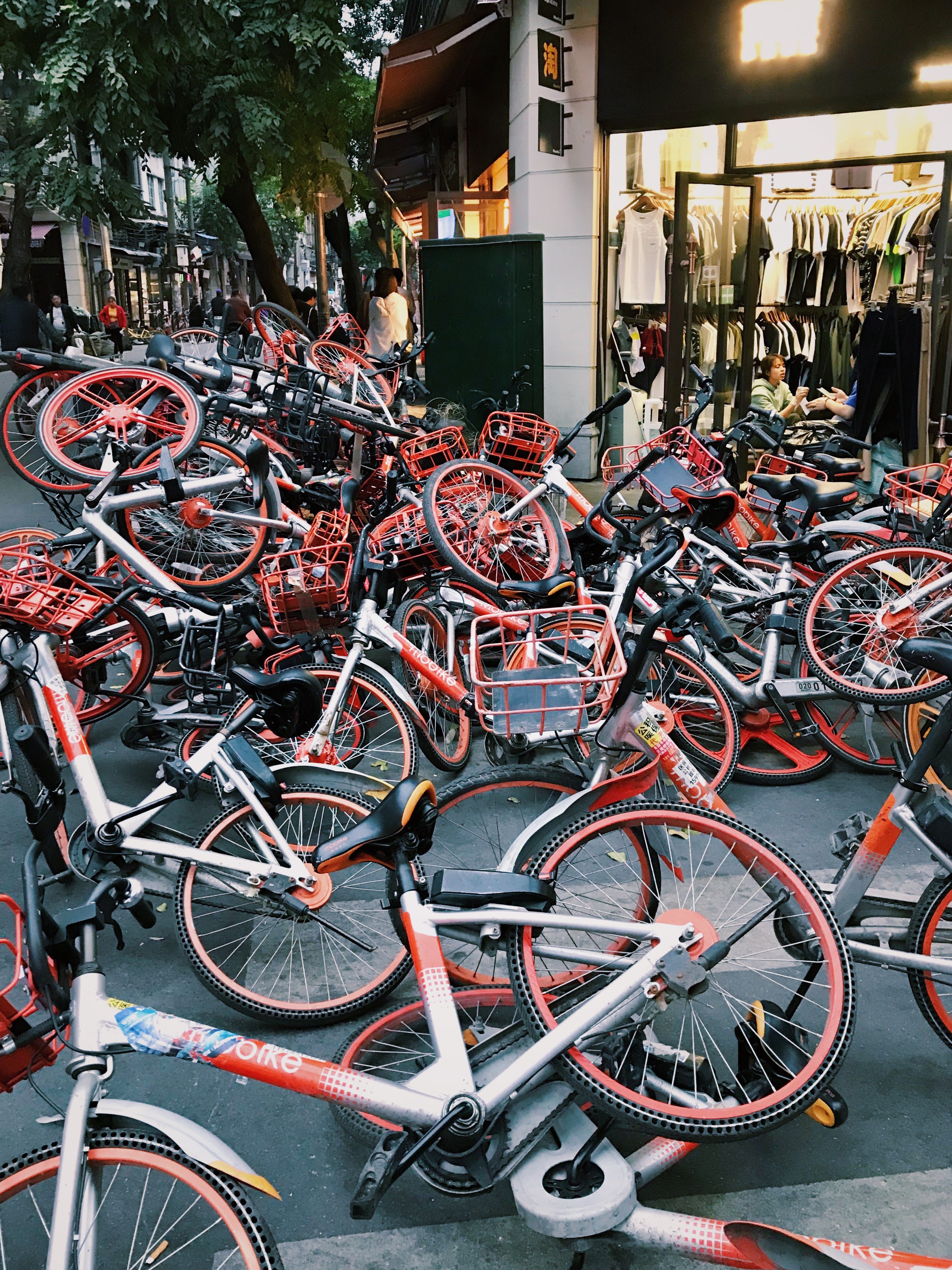
This has led to what one might call transition hysteria: a permanent state of renovation for our institutions, our systems, and the city itself. In this context, pop-up is no longer an interim solution. It has become a core strategy.
