


A piece about gentrification, Pop-Up City? What year is it, 2011?
Yeah, yeah…
Gentrification is the catch-all term for everything that goes wrong in cities, which is why it has stopped meaning anything. The word is worn out, but the subject isn’t exhausted. What was once a single process, an oil slick spreading through a city, has become a family of mechanisms, each with its own engine and its own face. Today: 5 new shapes of gentrification, from satellite cities to pistachification and the barrier across the street.
1. Satellite gentrification
Gentrification is often seen as something that happens within a single city. Satellite gentrification jumps to another city, driven by price pressure in the primary city. The second city becomes the escape hatch for the creative class and investors who can no longer afford the first. The engine here is price pressure combined with accessibility.
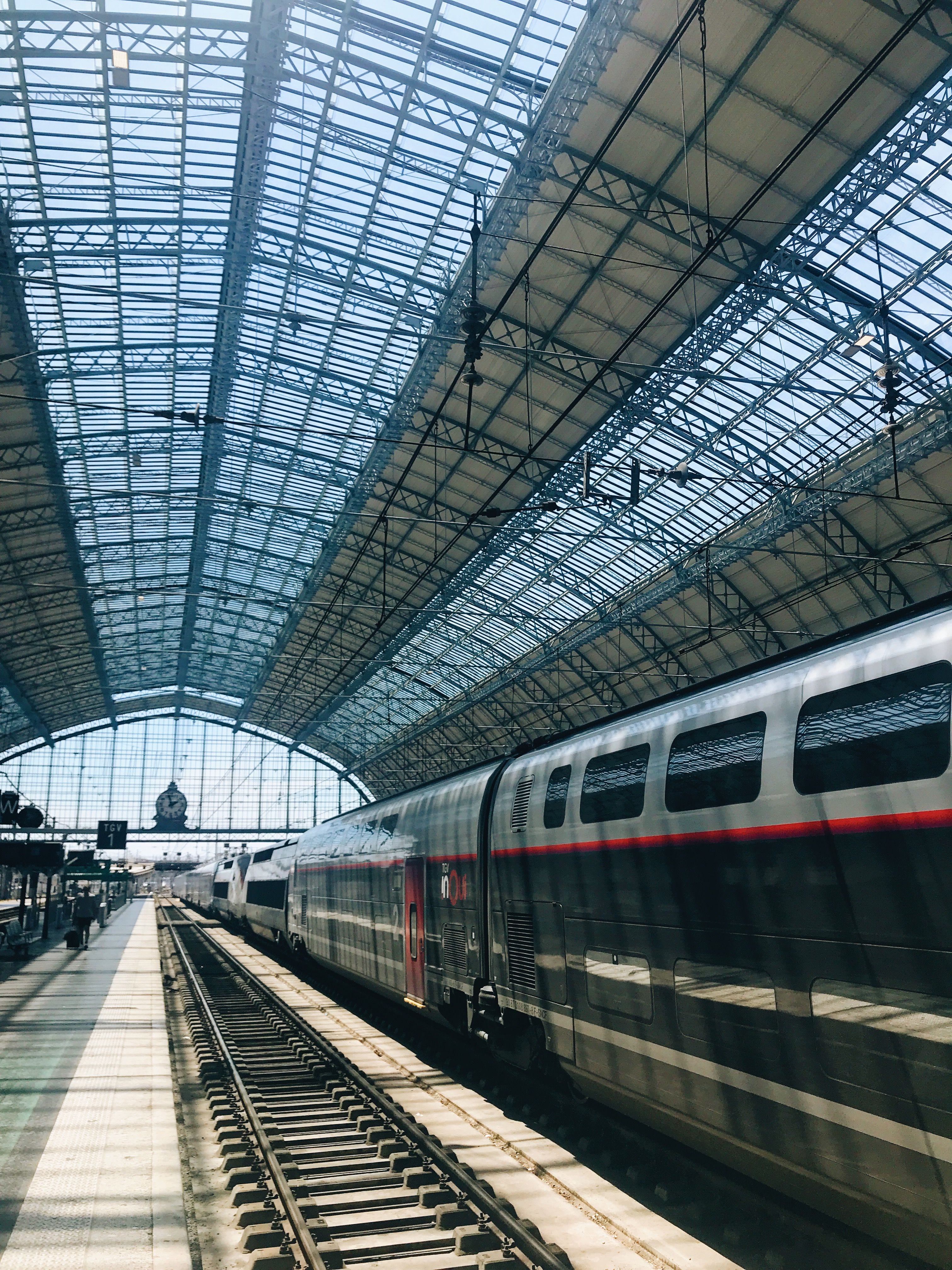
You see it between Paris and Bordeaux. Gabriel Loumeau and Antonio Russo studied what happened after the Paris–Bordeaux high-speed rail line opened in July 2017. Skilled workers moved from Paris to Bordeaux and Rennes, house prices rose about 12%, and median income in central neighbourhoods went up. A similar process is playing out from Toronto to Hamilton and from London to Bristol. In China, young people are leaving mega-cities like Shanghai, Beijing and Shenzhen for Dali in Yunnan, a mid-sized city on a mountain lake with lower living costs and an emerging creative scene.
2. Rural gentrification
Where satellite gentrification jumps from city to city, rural gentrification crosses the city boundary into the countryside. The engine here is different: not price pressure alone, but the desire for peace and space, made possible by remote work. That’s also why COVID gave it such a boost, when cooped-up urbanites headed for the countryside en masse.


With a growing critical mass of style-conscious, well-off newcomers, village streets suddenly sprout urban amenities like specialty coffee, coworking, and design stores, while the original village functions (the baker, the pub, the grocer) disappear. For governments, it can be a welcome strategy to attract newcomers to shrinking regions, as in Japan and Germany.

Want to read more about the urban-to-rural shift? Here’s our in-depth research (in Dutch), and our English article series.
