


First things first
🌞 This summer, we’re teaming up with the University of Amsterdam and our friends at We The City to host a placemaking summer school. Spend 3 weeks exploring Amsterdam with us (who wouldn’t want that?), meet inspiring urban changemakers, and gain insider insights into the city’s most significant developments. The early application deadline is 1 February. Click here to learn more.
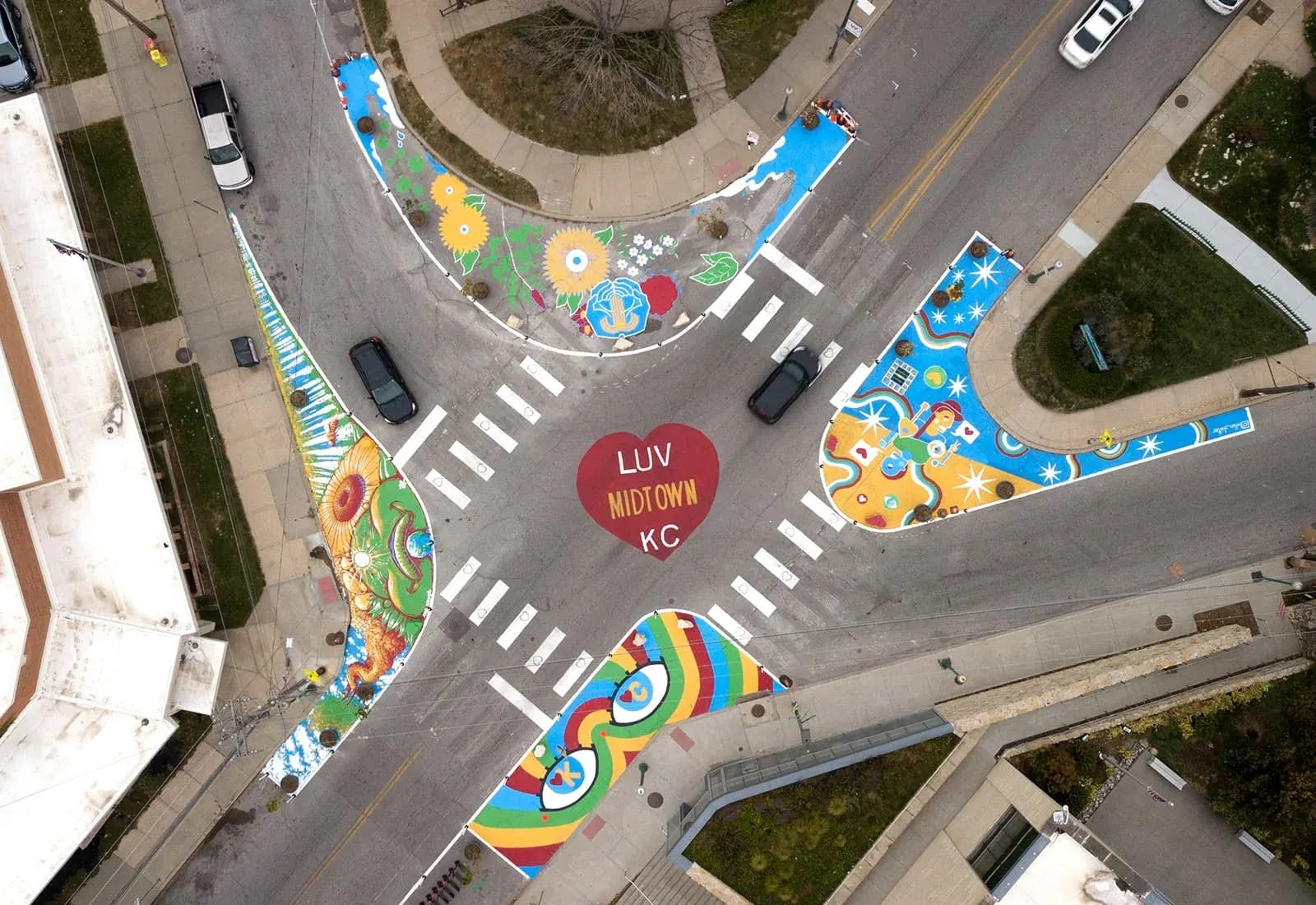
🎨 Street art by the Asphalt Art Initiative is transforming cities across the globe. One key finding after 5 years of painting intersections and pavements: a simple coat of paint can reduce traffic accidents by up to 50%. Read our interview with Nicholas Mosquera, one of the driving forces behind the initiative. Hungry for more hands-on recipes to create better cities? Check out our CityChangers Cookbook.
☕️ Coffee through a hole in the wall. In our latest premium newsletter, we highlighted the rise of micro-spaces and how a new generation of entrepreneurs is seizing opportunities in the leftover nooks and crannies of the urban fabric. Speaking of underutilised spaces: this incredible Japanese-inspired coffee bar in Quezon City, Philippines, needs nothing more than a hole in the wall to become a global sensation.
Modular wayfinding for the temporary city
The greatest places in the city are usually temporary. We came up with a way to make them visible. In Amsterdam’s largest transformation area we introduced a modular wayfinding system designed to evolve with the neighbourhood. Brightly coloured signs guide residents and visitors to hidden gems, new restaurants, cultural hotspots, and emerging parks — places often missing from conventional maps and signage.
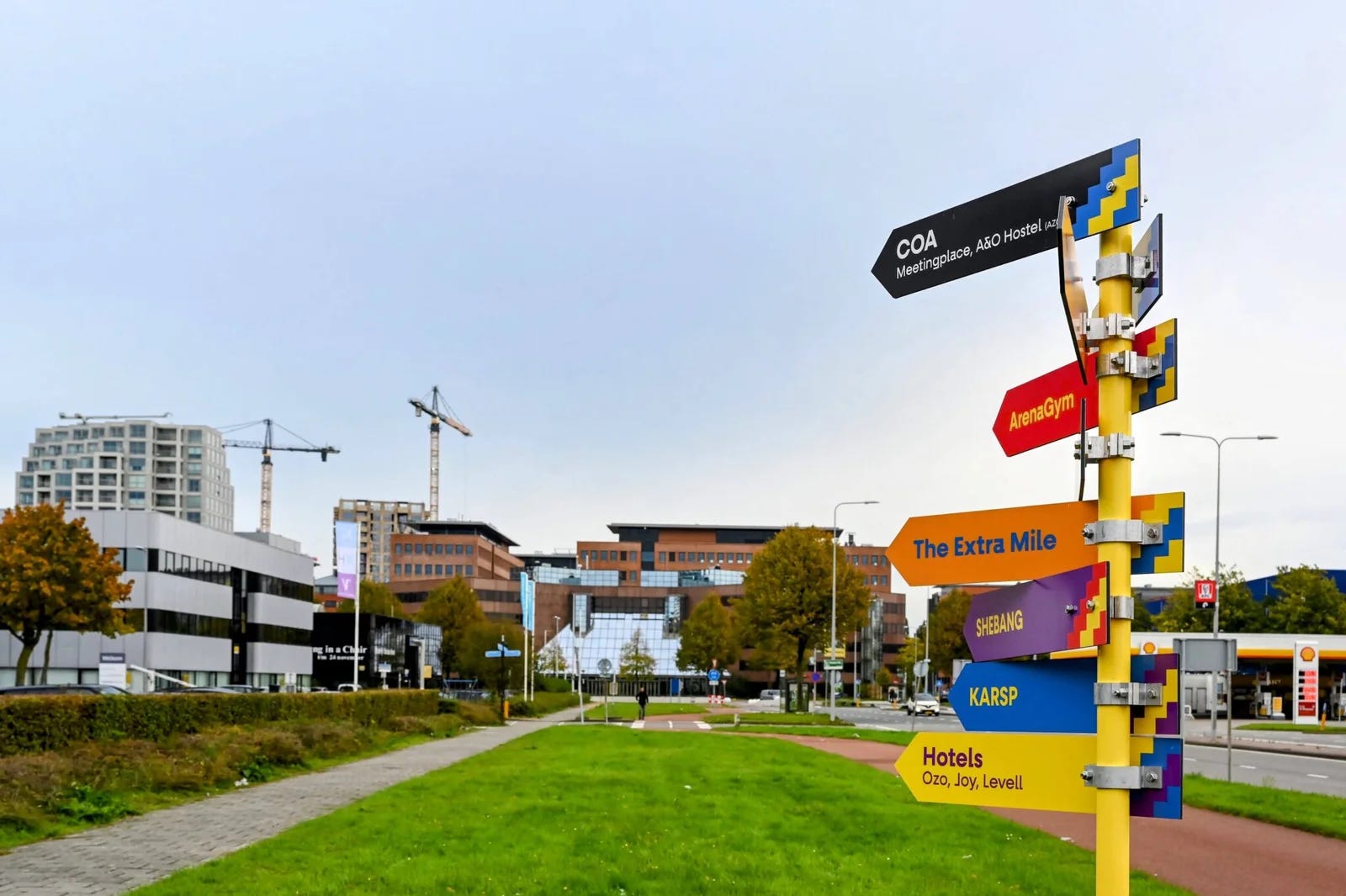
Why is this important? Urban transformation areas are spaces where change is constant and temporary initiatives flourish. Traditional signage often falls short in such environments, as it fails to capture the dynamic character of these neighbourhoods. Flexible signage ensures that the neighbourhood remains accessible, connected and liveable even during major changes. This system helps people find their way while promoting deeper engagement with the area's current and future identity.