


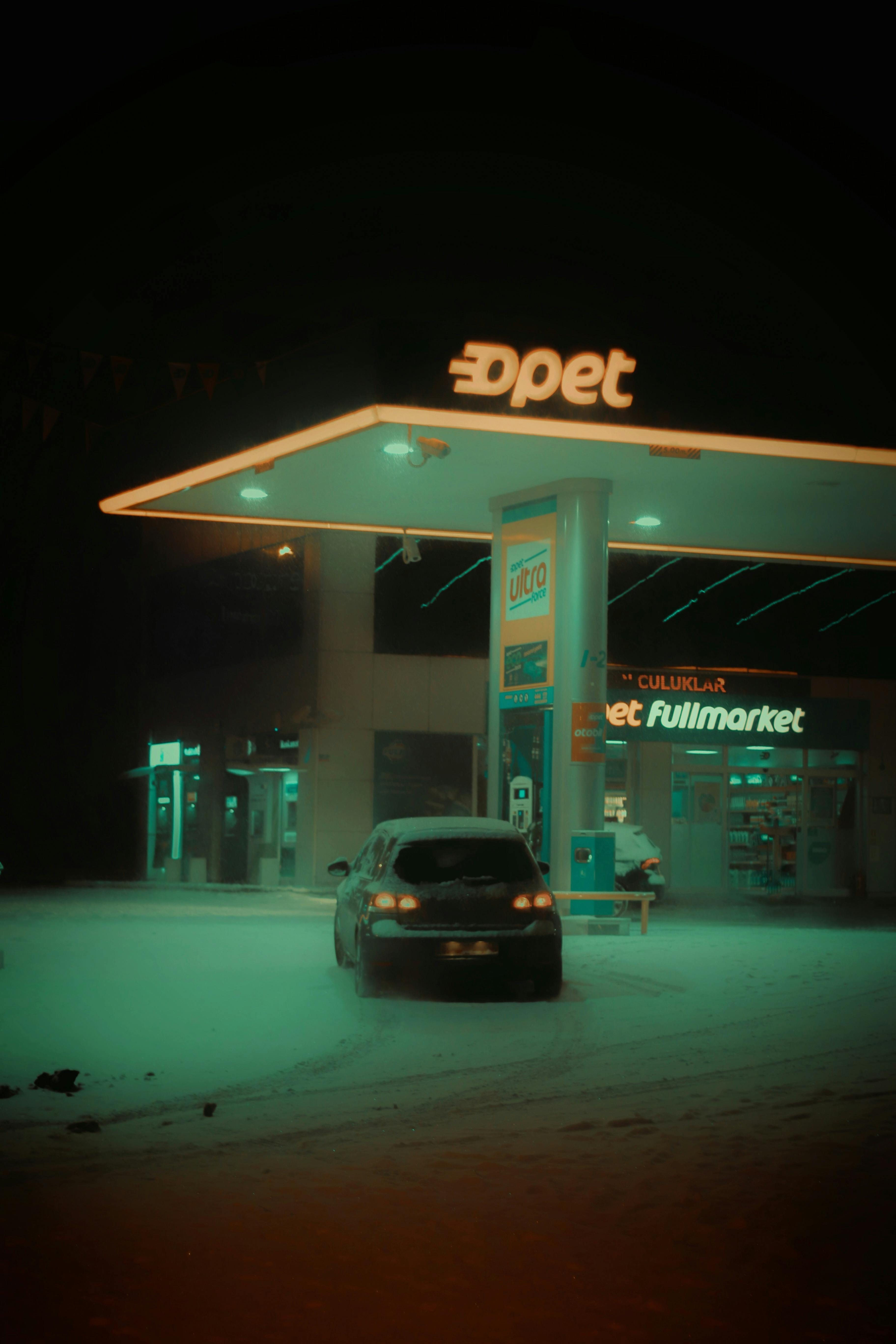
Most petrol stations worldwide are grimy transit points, notorious for dirty toilets, overflowing bins, vending machine coffee, and dried-out fried snacks. In Japan, however, a rest stop is something entirely different. The so-called michi no eki are multifunctional roadside stations designed to offer travellers a true sense of relaxation. Could michi no eki serve as the blueprint for the petrol stations of the future?
From non-places to places
Our relationship with petrol stations is changing, and so too is the way they function and are designed. While many places are becoming more generic — turning into what French anthropologist Marc Augé would call non-places — petrol stations are evolving in the opposite direction. They are becoming places: locations with meaningful programming and a defined spatial identity and context. What is driving this shift?
