


Amsterdam turns 750 this year. Happy birthday! The main event? Op de Ring — a weekend-long transformation of the city’s A10 ring road into a stage for fun runs, concerts, a pop-up forest, weddings and more. (We’re giving away 4 tickets. Interested? Email us before 4 PM CET!)
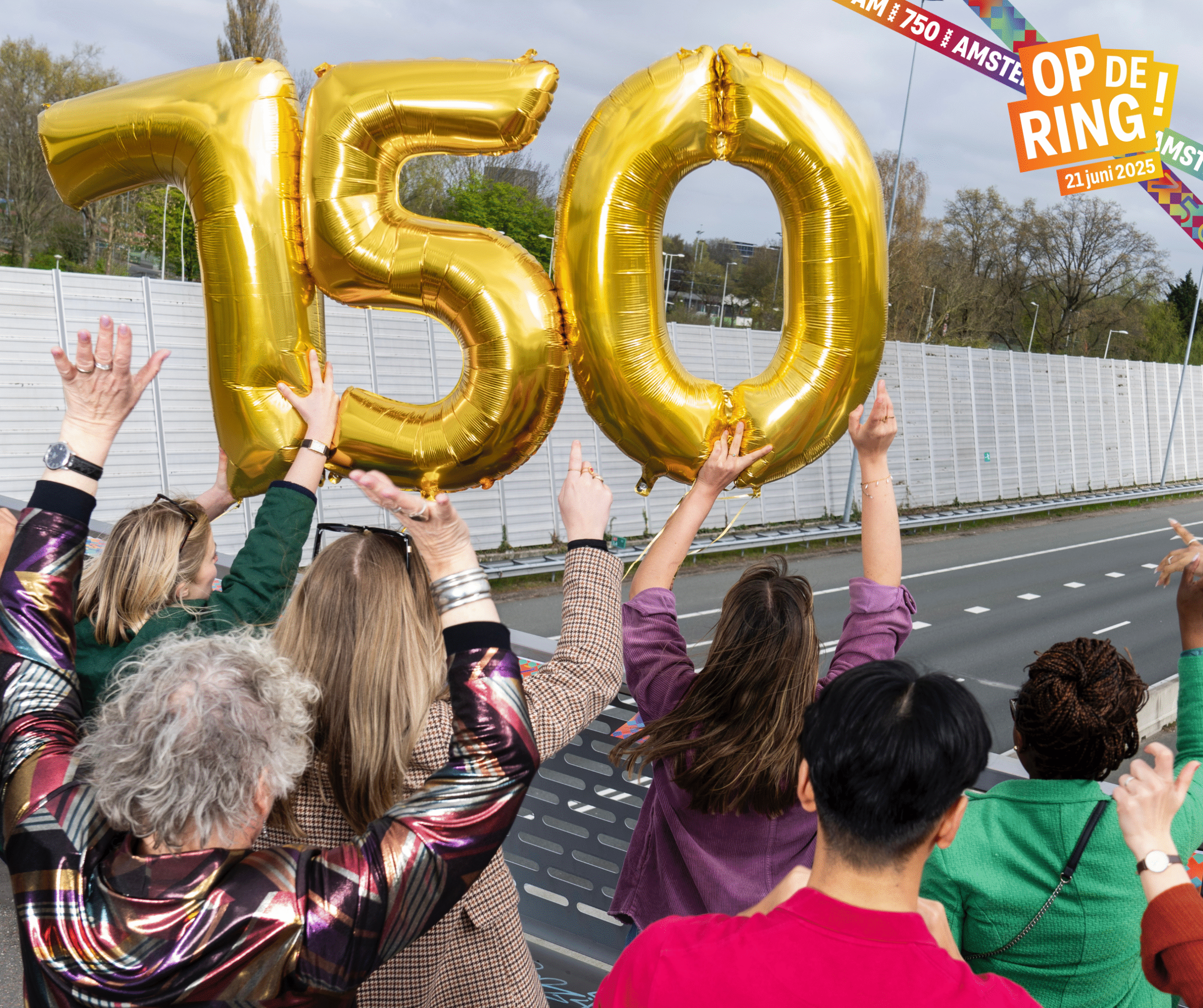
Amsterdam’s ring road festival is an iconic gesture with international flair, but also something that disappears as quickly as it appears. And the lead-up hasn’t been smooth: criticism is already mounting, especially about how few people are actually allowed to attend the festivities on the motorway. Which raises a broader question: how to properly celebrate a city birthday?
Let’s take a look at previous jubilees in a few world cities. Think commemorative coins, grand exhibitions and nostalgic coffee-table books, but also failed mega-projects, sky-high ambitions, surprising successes and lasting legacies.
Amsterdam 700: nodding entertainment with a top gift
Amsterdam marked its 700ᵗʰ anniversary in 1975 with parades, concerts, drawing contests, fishing tournaments, birthday songs and generous doses of royal attention as this video shows:
The big crowd-puller was Mokum 700, an exhibition at the RAI convention centre featuring scale reconstructions of parts of the city. But the true gift to Amsterdam was something new: the very first edition of Sail Amsterdam, a boat parade that became a five-yearly international spectacle.
Rotterdam 650: the funfair flop
Rotterdam celebrated its 650ᵗʰ anniversary in 1990. Alongside a commemorative coin (the Porter), a massive festival called Rivoli was planned for the Müllerpier. It was a disaster: the public stayed away, lawsuits followed, and millions were lost.


London 2000: birthday as a city-building strategy?
London is nearly 2,000 years old. Preparations for its 2053 milestone haven’t officially started, but the grand ideas are already on the table — from a New London on the moon, to turning the O2 Arena into a giant birthday cake (😁), to a 2,000-metre glass skyscraper.
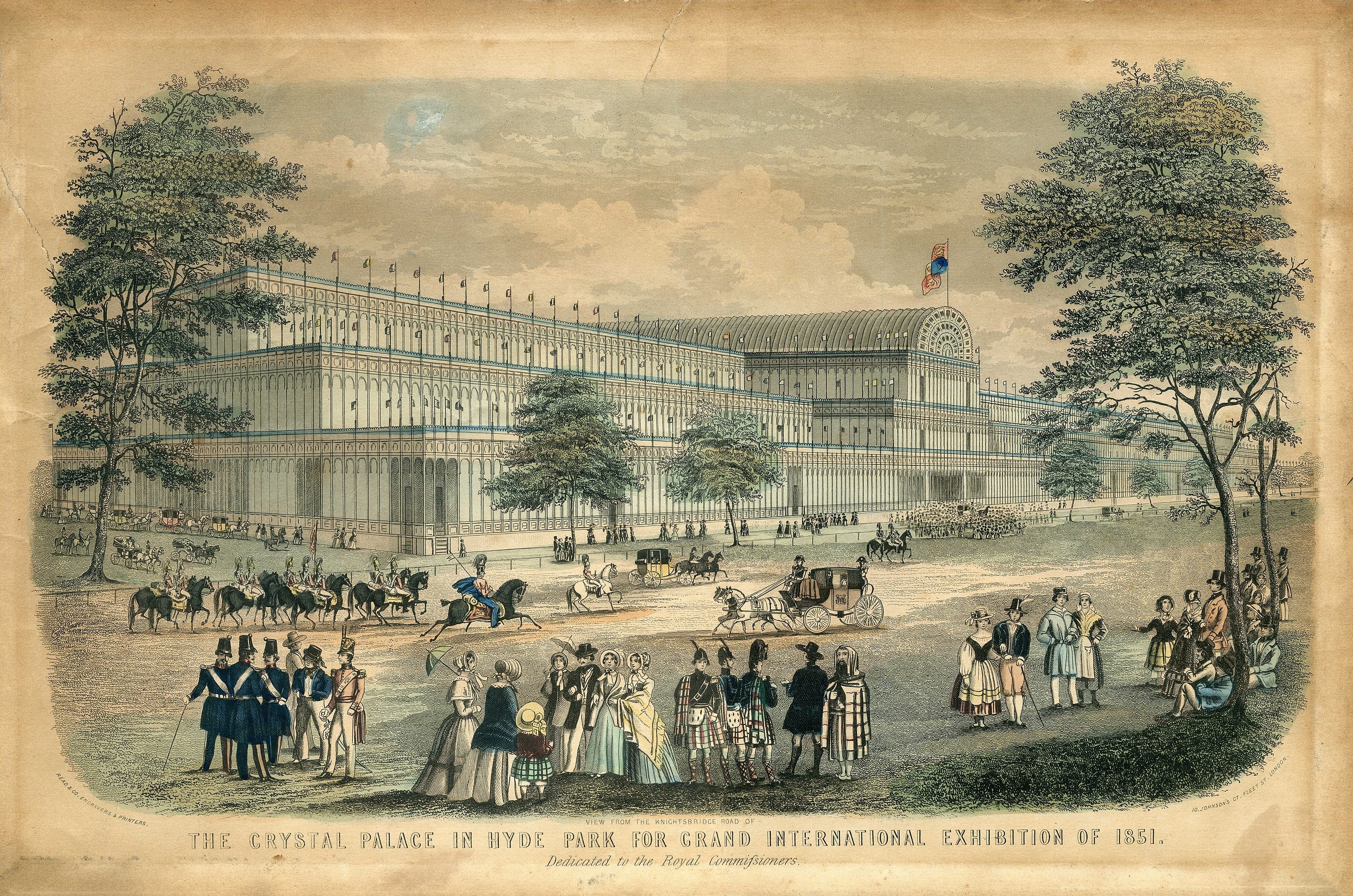
Historically, London has used birthdays to drive urban transformation. The Great Exhibition of 1851 brought the Crystal Palace, Royal Albert Hall and Imperial College. Not a bad haul. The Festival of Britain in 1951 delivered the Southbank Centre and a new postwar cultural identity.
Paris 2000: pomp, pride and fireworks
Paris knows how to go big. Its 2,000ᵗʰ birthday in 1951 was marked by military parades, flag-lined boulevards and fireworks displays. France had recently emerged victorious from the war — and it celebrated itself more than the city.
New York 400: introspection over celebration
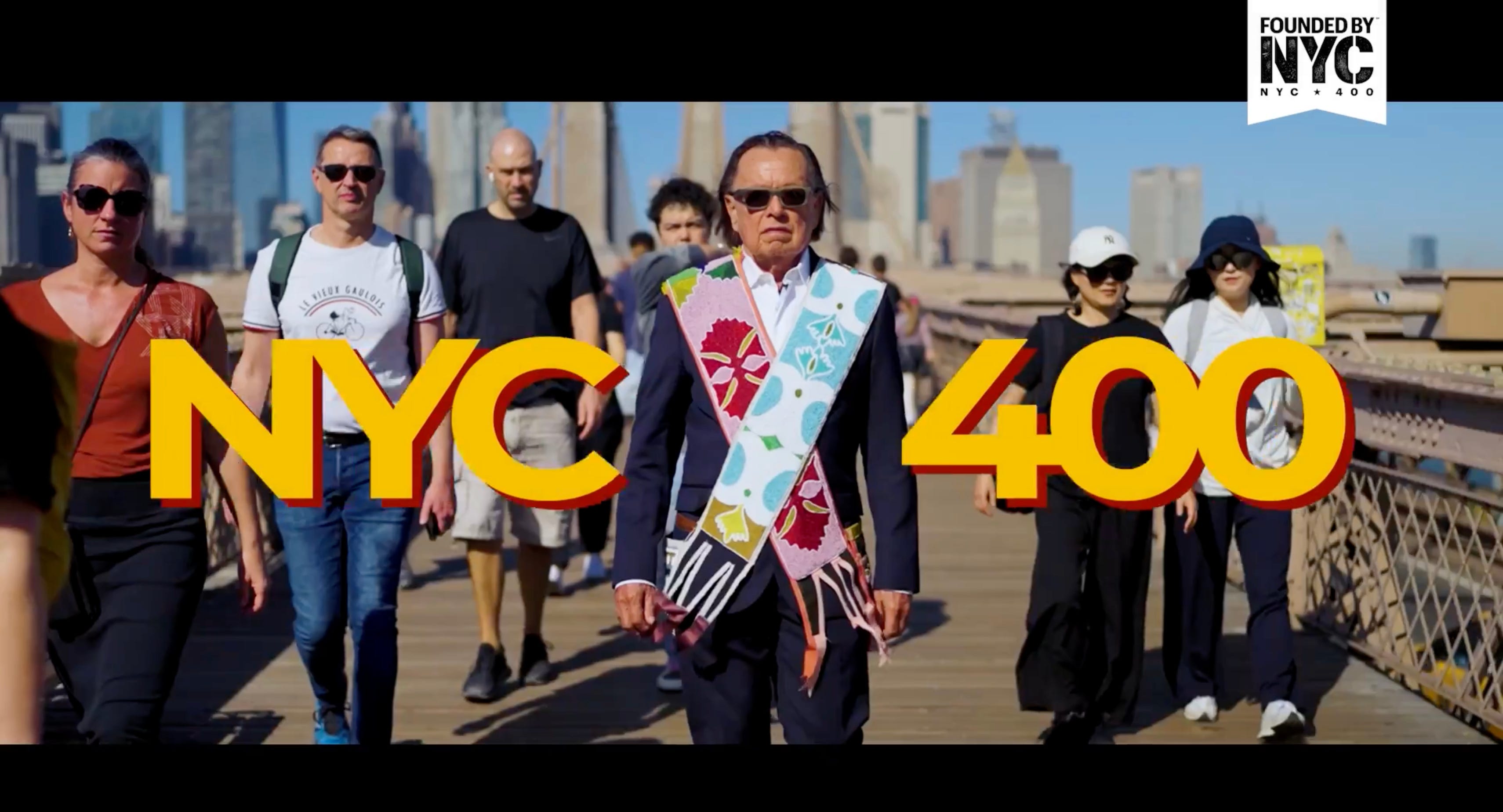
New York City turns 400 in 2025. The official programme, Founded by NYC, launched by mayor Eric Adams, is full of events, but there’s a cautious tone. The focus is on reflection: the city’s colonial origins, its Indigenous history and the Caribbean diaspora take centre stage. Less jubilation, more self-examination.
The mood of the moment
Perhaps a city’s birthday says more about the era than the city itself. Sometimes it’s about pride, sometimes future visions, sometimes national ego, sometimes communal doubt. Cities present themselves as confident powers or chaotic parties — or as communities still figuring things out. Few manage to use the moment to create a real legacy — though some do. And even when the planning takes years, public embarrassment is never far off.